
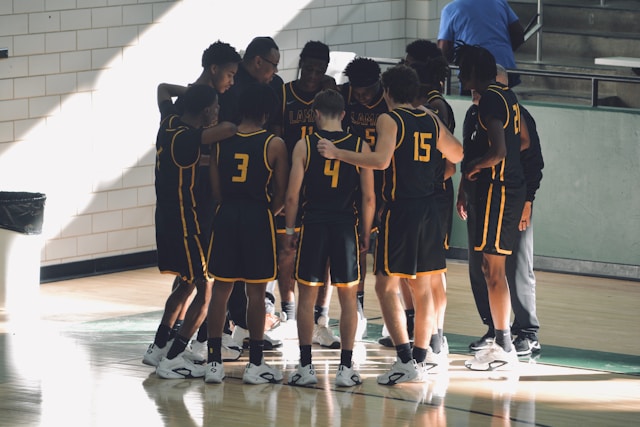
The first place I ever learned about the importance of communication on team dynamics was the football field. Growing up, I loved team sports. One factor I had always been aware of was that, on the most successful teams, communication flowed freely and effectively. You knew where your teammates were and where they were going to be, they told you if you were in trouble (about to be tackled) or stepped in to help and you knew how they would react if there was a mistake. On the less successful teams – things were more confused, communication tended to be stunted, success went unnoticed or unrewarded, trouble was an individual team member’s problem and errors devastated team momentum.
I never thought that much about why communication was so much better on strong teams. It made sense to me that better teams had better players. I figured that, when a team is winning, everyone is happy and locked in. So, it stood to reason, people were more likely to communicate positively. Then, I played on a team where the coach actively embedded positive communication behaviours. More than just the standard platitudes all coaches repeat about the need to “talk”, expectations were set and enforced – rules for communication around the ball, celebrations after an impactful play, picking your teammate up and encouraging them after they were knocked down. The impact was immediate and significant – an already successful team went to the next level, and I became a convert to the importance of team communication.
Over the years, I have learnt that communication is just as important for team effectiveness within a professional environment. I am a strong believer of the Agile value of “Individuals and interactions over processes and tools” and Principle 6 (the effectiveness of face-to-face conversation). Whether I am setting up a new initiative, managing a team or stepping into an in-flight project, I like to take time to ensure team and stakeholder communication is working well. I find that the investment in establishing team dynamics and getting communication flows right, can make a big impact later down the line on the quality and significance of the outcome.
When stepping in to a troubled project, one question I have found serves me well is “What do you do if an issue arises?”. The answer will tell you a lot about how the team handles communication, collaboration and conflict. It can provide invaluable insight into what is working and where and how things might be going wrong.
Getting team communication right is often more art than science. Expectations can vary by company, industry and function. For example, there tends to be differing expectations, for external consultants than for internal resources. Similarly, some tech or operational teams, prefer what they consider more “efficient” communications approaches (often email or chat) over more context rich mediums – such as face-to-face meetings. This may or may not be appropriate, depending on circumstance.
Nevertheless, in my experience, effective communication is one of the key drivers of team efficiency. As a general rule of thumb, more, richer and more open communication is likely to serve a teams well, especially if that team has not yet got its communication level right.
Originally published by Aidan McShane on LinkedIn, March 2025